
Trace Analysis
PhytoLab has been specialising in the analysis of residues and contaminants in herbal infusions, tea, spices, botanicals and herbal medicinal products for more than 30 years now. In our accredited and GMP-certified laboratory, we analyse your samples for pesticides, heavy metals, mycotoxins, pyrrolizidine alkaloids, polycyclic aromatic hydrocarbons and numerous other contaminants: quickly and reliably, using validated methods. Our team of experienced experts stands for competent assessments of test results and establishes a sound basis for your decisions.
Current
Analysis of ethylene oxide and 2-chloroethanol in botanicals and excipients >
Recommendation (EU) 2022/553 on monitoring the presence of Alternaria toxins in foodstuffs
For more information

Pesticides
Every year, PhytoLab tests more than 25,000 samples of dried herbal raw materials, preparations and finished products for pesticide residues. In addition to screening based on a multimethod approach (e.g. DFG S19 methods and LC-MS/MS methods), we also test for certain substances using specific methods developed in-house. Our testing and methods also meet the requirements for particularly sensitive product groups, such as organic foods and baby food. The variety and complexity of dried botanical matrices require a particular level of expertise, diligence, and experience. As a member of the nature network®, we provide you with expert support in the evaluation of findings. Our experience is your guarantee!
Heavy metals
Such metals as arsenic, cadmium and lead have been known to be highly toxic substances for a long time now. Maximum levels have therefore been defined for numerous foods in the European Contaminants Regulation (EU) 2023/915. The limits of the European Pharmacopoeia under 2.4.27 apply to herbal drugs and preparations. Heavy metals in herbal drugs and herbal drug preparations, for finished medicinal products including phytopharmaceuticals the Ph.Eur. Monograph 2619 Pharmaceutical Preparations, based on the ICH Guideline Q3D.
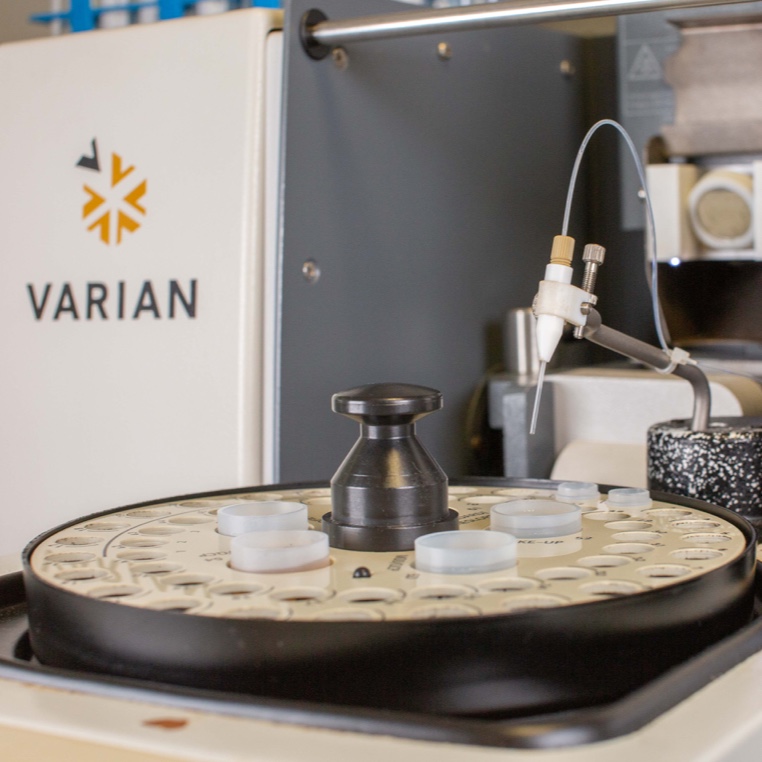
Some metals and non-metals also have positive effects on human health and are therefore added to nutritional supplements. Examples of these include copper, manganese, zinc and chromium, as well as such non-metals as iodine, fluoride and selenium. With accredited methods based on atomic absorption spectrometry (AAS) and inductively coupled plasma mass spectrometry (ICP-MS) PhytoLab can quantify more than 40 different elements in herbal raw materials and ingredients.

Mycotoxins
Mould fungi can grow on plant-based foods during the growth and storage processes. Many mould fungi produce highly toxic mycotoxins that can be harmful to the health of consumers. The EU Contaminants Regulation (EU) 2023/915 currently stipulates maximum levels for 15 different mycotoxins. These include aflatoxins B1, B2, G1 and G2, ochratoxin A, patulin, citrinin and numerous Fusarium toxins, whereby specific maximum levels have been defined for cereals, cocoa, coffee, spices and botanicals, for example. The guideline values of Regulation (EU) 2022/553 apply to Alternaria toxins. Particular attention must be given to maximum levels for foods for infants and small children. Results of toxicological assessments conducted by EFSA are already available for numerous other mycotoxins, which must be taken into account in individual cases as the state of knowledge with respect to entrepreneurial accountability. One example of these is the group of Alternaria toxins. The analysis of mycotoxins in dried matrices requires a great deal of experience and highly efficient equipment. We analyse mycotoxins in our state-of-the-art laboratory by means of HPLC fluorescence detection following an immunoaffinity column purification process. Positive findings are validated by means of HPLC-MS/MS. The PhytoLab team uses its many years of experience to analyse and assess your products reliably and proficiently.
Other contaminants
The intensive work of EFSA and ECHA on the toxicological evaluation of potential contaminants has recently brought numerous other substances into focus, requiring that they be considered in contaminant monitoring or even routine testing. These include, for example, ethylene oxide, plasticizers, chlorate/perchlorate, pyrrolizidine alkaloids and polycyclic aromatic hydrocarbons (PAHs). Our highly efficient Development Team uses cutting-edge technical equipment to continually and proactively develop our services in this segment.
